University of Saskatchewan, Canada
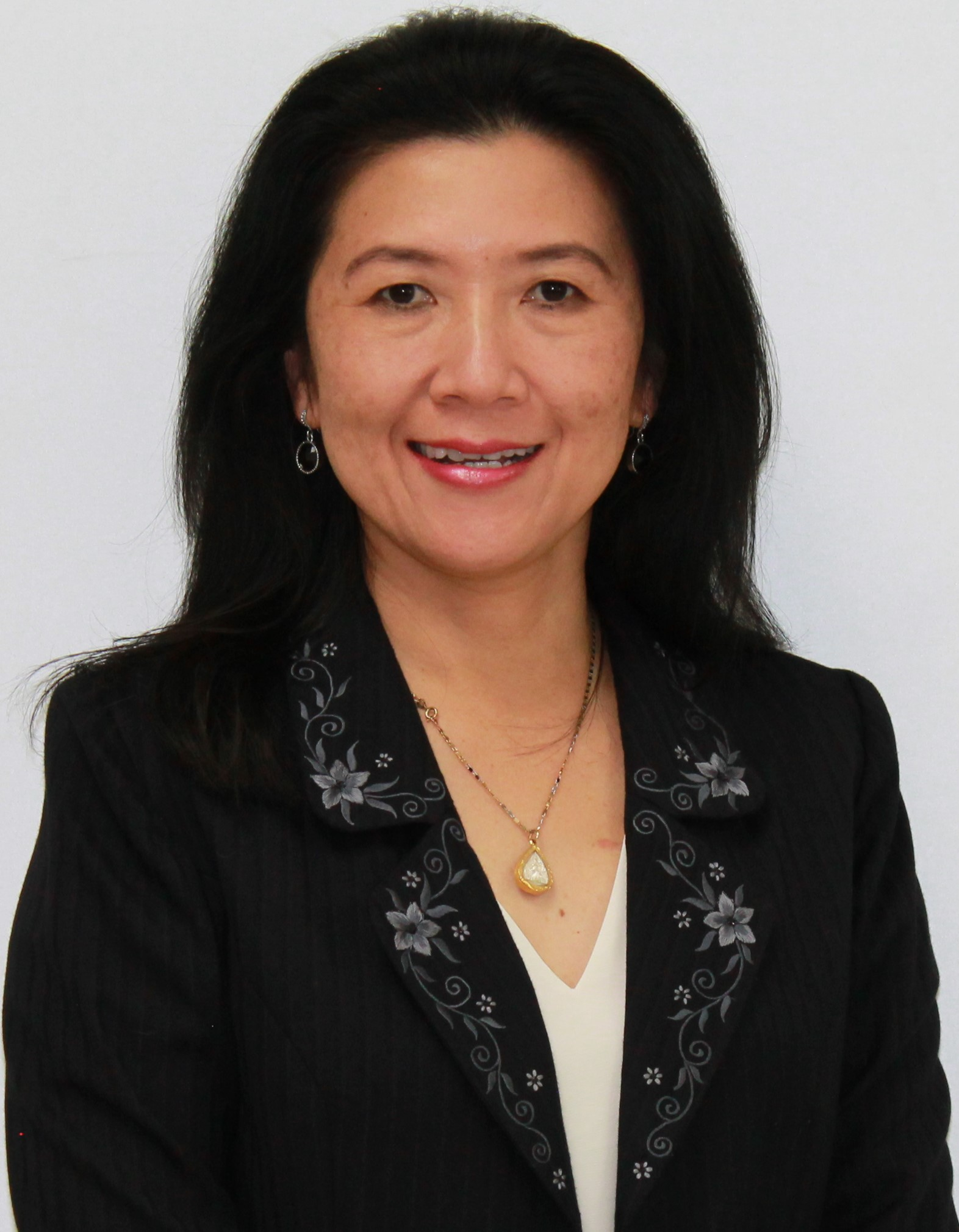
Shan Wang is a Professor at the Edwards School of Business at the University of Saskatchewan, Canada. Prior to joining the Edwards School of Business, she has worked as an Associate Professor for Renmin University of China.
She received her Ph.D in Management Information Systems from McMaster University and Master Degree in Economics from Queen’s University, Canada. Her research interests include electronic commerce, social commerce, online communities, social network analysis, IT business value and IT in education.
Her work has been published in several peer reviewed journals, such as Information and Management, Decision Support Systems and Journal of Business Research.
Associate Head, Hong Kong Shue Yan University, Hong Kong SAR, China
Flora is an Associate Professor and Associate Head of Sociology at Hong Kong Shue Yan University. Before joining HKSYU in 2012, she was a lecturer and post-doctoral fellow at the University of Hong Kong. Her research interest includes ethnic minorities, sociology of health, forced migration, gender, work and education, selfhood, death and illness, digital sociology and qualitative research. Her research has been published in reputable journals such as Journal of Refugee Studies, Asia Pacific Journal of Education, Leisure Studies and International Journal of Sociology and Social Policy. She has also been actively engaged in curriculum review in higher education and editorial work with international publishers.
Being born and raised in Hong Kong, she obtained her BSocSc and MPhil at the University of Hong Kong and completed her MSc and DPhil in Sociology at University of Oxford.
Bulacan State University, Philippines
Dr. Santos holds a Doctorate in Education major in Educational Leadership and Management. Currently serving as a full-time Professor IV at Bulacan State University College of Education, Dr. Santos also serves as an adjunct faculty member in the Graduate School.
In addition to her teaching roles, she holds the positions of Director of the Research Management Office and concurrently serves as the Graduate School Head for Publications.
Dr. Santos's research contributions are widely recognized, with her work being published in prestigious international journals indexed in Web of Science, Scopus, and other reputable publications. She actively engages with the academic community, participating in the scientific committees of prominent international conferences.
Furthermore, Dr. Santos serves on the Editorial Board of Frontiers Psychology and Education Journals, both indexed in SCOPUS and Web of Science and the Editor-in-Chief of the GEAPHEI Research Journal in the Philippines.
Universiti Pendidikan Sultan Idris, Malaysia (IEEE Senior Member)
Dr. Chee Ken Nee is a Senior Lecturer at Universiti Pendidikan Sultan Idris (UPSI), Malaysia, with over 12 years of experience in educational technology. He holds a PhD in Educational Technology and has published over 40 research papers focused on mobile learning, immersive technologies, and AI-based systems. A registered Professional Technologist and Senior Member of IEEE, Dr. Chee has received numerous awards for his innovations in education, including the Global Teacher Award (2020) and the GESS Education Award (2024). He is the creator of the Virtual Reality Teaching Training (VIRTT) project and is a recognized thought leader in digital pedagogy. Dr. Chee frequently serves as a reviewer and speaker at international conferences.
Abstract: As teacher education increasingly shifts toward digitally mediated and immersive learning environments, the central challenge is no longer technological capability but the preservation of the human, emotional, and relational dimensions of teaching. This invited talk presents the Virtual Reality Integrated Teacher Training (VIRTT) environment—an immersive e-system designed to strengthen pre-service teachers’ pedagogical competence, professional confidence, and teaching identity through emotionally grounded simulated experiences. Grounded in the Cognitive Affective Model of Immersive Learning Integrated with Constructivist and Experiential Approaches and Affectagogy (CAMILICEA), VIRTT illustrates how immersive pedagogy can meaningfully connect theoretical knowledge with lived classroom experience. Drawing on empirical findings, the session demonstrates how VIRTT—deployable even through accessible computer-based simulations—supports the development of classroom management skills, instructional decision-making, and reflective practice within emotionally authentic teaching scenarios. A defining feature of VIRTT is its integration of Affectagogy, which positions emotional engagement, empathy, and affective awareness as foundational elements of teacher learning. By embedding affective triggers, reflective prompts, and identity-forming experiences, the system enables pre-service teachers to experience, interpret, and regulate the emotions inherent in real classroom contexts. The talk concludes by outlining future directions for affective and adaptive immersive e-systems that are pedagogically rigorous, emotionally responsive, and scalable, offering a vision of teacher education that remains profoundly human in an increasingly digital educational landscape.
Bunkyo Gakuin University
Dr. Tsunehide Imasaki graduated from Kyushu University in 1992 and spent over 30 years as a reporter and manager at NHK, Japan’s public broadcasting corporation. He played a central role in NHK WORLD’s international news programs and served as Chief of the Internet News Team, leading digital transformation initiatives in broadcast journalism. He earned an MBA from McGill University in 2004, completed the Stanford Executive Program (SEP) at Stanford Graduate School of Business in 2016, and received his Doctor of Business Administration (DBA) from Hitotsubashi University’s Graduate School of International Corporate Strategy (ICS) in 2021. Since 2023, Dr. Imasaki has served as Associate Professor at Bunkyo Gakuin University in Tokyo and Saitama, where he teaches business management within the Department of Social Welfare. His research examines organizational management in small teams, focusing on Kyocera’s Amoeba Management System and its adaptation in the social welfare sector.
University of Wales Trinity Saint David, UK
Dr. Irina Neaga is a Senior Lecturer in the University of Wales Trinity Saint David, Swansea, United Kingdom, with extensive international academic experience in the United Kingdom, Canada, Finland, the Netherlands and Romania. She holds a PhD from Loughborough University (UK) and a BEng/MSc in Computer Systems Engineering from “Gh. Asachi” Technical University of Iasi, Romania as well as Postdoctoral Qualification from Laval University, Quebec, Canada.
She has contributed to research and sustainable educational programmes related international and global logistics systems, digitalisation of supply chains, and sustainability. Her previous roles include leading the MBA Programme at the Plymouth Business School, University of Plymouth, and substantially contributing to the development, implementation and running of Logistics and Supply Chain degree apprenticeship programme in Wales, United Kingdom strongly linked to industry.
Dr Neaga’s research focused on the digitalisation of logistics and industrial complex systems, with a particular emphasis on emerging technologies associated with Industry 4.0 and Industry 5.0. She also advances sustainable E-Education practices within higher education. Her research portfolio spans big data analytics, AI-enabled decision making, cloud computing, knowledge management, and intelligent systems—core foundations for modern e-business, e-management and digitally enabled learning environments.
She has worked for several years at Loughborough University’s School of Engineering and Business, contributing to large-scale strategic partnerships in systems engineering, supply chain management, systems innovation and digital transformation through research, education and consultancy. Over more than two decades, her work has focused on digitalising industrial and logistics systems, enhancing decision-making under complexity and uncertainty, and advancing sustainable e-business and intelligent supply chain ecosystems.
Dr Neaga has published in leading outlets including the Journal of Business Research, the International Journal of Production Research, Computers and Industry, Defence & Security Analysis as well as Springer volumes. She has contributed to EU-funded initiatives and UK-based R&D collaborations addressing digital transformation, intelligent systems and sustainable innovation in intelligently connected enterprises. She has also delivered invited talks on cloud-based big data analytics, digital transformation and technology-enhanced industrial systems at major international events such as Multicore World (New Zealand) and the Logistics & Supply Chain Conferences (UK).
Her academic efforts integrate the principles of E-Education applying digital learning systems, data-driven strategies and technology-enabled pedagogies to support learner engagement and future-ready skills development. As a Fellow of the Higher Education Academy a Chartered Member of the Institute of Logistics and Transport (UK), as well as UK & Ireland Engineering Education Research Network and Canadian Engineering Education Association she actively contributes to shaping the intersection of e-learning, digital innovation and modern management practices.
Digital transformation is reshaping both enterprise systems and educational environments, demanding new models of e-business, e-management and technology-enabled learning. This invited talk synthesises insights from over two decades of international research and practice across logistics, supply chain management, industrial systems engineering, and higher education. Drawing on large-scale projects in digitalisation, cloud computing, AI-enabled decision making, and intelligent systems, the presentation examines how Industry 4.0 and emerging Industry 5.0 technologies are redefining organisational capabilities and sustainability in globally intelligently connected enterprises.
The talk further explores how the principles of E-Education [4.0] using digital learning platforms and intelligent educational systems can be aligned with industry digital transformation to develop graduates’ future-ready skills. Examples include the development of sustainable educational programmes, degree apprenticeships co-designed with industry, and data-enhanced learning systems supporting learner engagement and workforce development.
By integrating perspectives from e-education and e-business innovation, this talk provides a holistic view of how digital transformation can be leveraged across sectors to enhance performance, resilience and sustainability. It concludes with recommendations for educators, managers and policymakers seeking to navigate complexity and lead effective digital-age contemporary society and practice.
Unversity of Malaya, Malaysia
Ts. Dr. Siti Hajar Halili is a Professor in Innovative Digital Learning at Universiti Malaya & Head of the Curriculum & Instructional Technology Department. A professional technologist (Ts) under MBOT, she was formerly with the Research Division of the Prime Minister’s Department in Malaysia. She holds a Ph.D. in Adult Education Technology, a Master’s in Educational Technology (USM) & a Degree in Information System Management (UiTM). Her expertise focuses on Flipped Learning, Open Distance Learning, Digital Badges Learning, Instructional Design & Technology and Digital Curriculum Innovation. She actively publishes in ISI, SCOPUS, national & international journals, books & book chapters. She has received multiple awards, including the Dean’s Award, Best Presentation Award, Excellent Service Award, Gold Award & Most Outstanding Reviewer. She is also an ODL expert, Programme Coordinator for UM’s ODL and Master of Instructional Technology program & Head Auditor for the Faculty of Education. She was also the Chief Editor of Jurnal Penyelidikan Pendidikan & a reviewer for various journals & conferences.
Abstract: Open Badge Learning (OBL) has emerged as a pedagogical innovation that supports lifelong learning through evidence-based digital micro-credentials. In contrast to traditional certificates that provide limited representation of learners’ competencies, open badges embed verifiable metadata and artefacts that demonstrate authentic learning achievements. This sharing conceptualises OBL as a transformative pedagogical approach, discusses instructional design frameworks for implementing OBL and highlights its potential to enhance learner engagement, employability and institutional credentialing systems.
Taylor's University, Malaysia
Associate Professor Ts. Dr. Sharon Goh Wei Wei is currently the Head of the department of Computer Science and the Deputy Director of the Digital Health and Medical Advancement Impact Lab at Taylor's University. She obtained her Ph.D. in E-learning from the University of Derby, UK, and has been in academia for the past 25 years. Her expertise spans learning, teaching, and assessment design strategies, online learning technologies, social media technologies, knowledge management, machine learning, and the Internet of Things (IoT). Dr. Goh is committed to integrating technology into education, fostering immersive and interactive learning experiences through platforms such as Engage VR, Oculus Quest 2, and HoloLens. She has collaborated on various multidisciplinary projects, including those with the Design School, to develop technology-rich classroom initiatives.
Dr. Goh's innovative contributions have earned her multiple accolades, including a Gold medal at Econdev 2025, two Silver medals at Econdev and the Malaysia Technology Expo (MTE) 2024, and two Bronze medals at IUCEL. Additionally, she serves as a reviewer for 10 high-impact journals and evaluates project proposals for Taylor’s Internal Research Grant Scheme – Impact Lab Grant. Through her dedication to research and innovation, Dr. Goh continues to drive advancements in digital health, machine learning, and IoT prototype development.
Abstract: Autistic students often experience absenteeism, academic difficulties, and heightened stress, largely due to stigma rooted in limited understanding of autism among educators. This keynote presents findings from a pilot study conducted in two primary schools involving 40 educators who participated in the “Inside Spectrum VR” embodied simulation. The immersive experience allowed educators to perceive classroom situations—such as sensory overload and social challenges—from the perspective of a virtual autistic student. Results from surveys and interviews indicate that VR significantly enhanced both cognitive and affective empathy while improving explicit attitudes toward autistic students, highlighting its potential as a powerful tool for inclusive education.
Rajamangala University of Technology Srivijaya, Thailand
Apichaya Khwankaew is an Assistant Professor at Rajamangala University of Technology Srivijaya, Songkhla, Thailand. Currently, she is completing a research internship at the Institut de Recherche en Informatique de Toulouse (IRIT), Université de Toulouse in France. She holds both a Bachelor’s and a Master’s degree in Information Technology from Prince of Songkla University (PSU). Her research focuses on technology-enhanced learning and innovation, particularly by developing and evaluating effective instructional designs. She emphasizes the use of flipped classroom pedagogy, artificial intelligence, and digital learning platforms to promote self-regulated learning and improve artificial intelligence literacy. Her research has been published in international journals, including the Journal of Educators Online.
Abstract: The rapid growth of Generative Artificial Intelligence (GenAI) represents one of the most significant changes in modern education. As teaching methods adapt, the focus shifts from whether GenAI will affect classrooms to how educators can use it to improve teaching and learning. This session addresses the important connection between GenAI and teacher training, moving beyond the excitement to propose a clear plan to enhance teaching skills. Likewise, explore the practical use of GenAI in two main areas: Instructional Design and Personalized Engagement, focusing on how GenAI tools can serve as helpful partners for teachers, helping them create detailed lesson plans, customize content for different learning styles, and simplify grading and feedback tasks. By using these technologies, teachers can focus more on meaningful interactions, mentorship, and support the students' needs rather than just delivering content. However, the path to using GenAI in teaching has its challenges. The “GenAI Literacy Gap” will be discussed, highlighting the crucial skills needed to assess AI-generated information accurately, uphold academic honesty, and understand the ethical aspects of data privacy. The session promotes a “human-centered AI” approach, stressing that while GenAI can provide information, the teacher is essential for inspiration, empathy, and critical thinking in the classroom. In conclusion, practical insights into current GenAI trends will be discussed, along with a collection of effective practices for immediate use and a refreshed view of the teacher’s role as a creative learning designer. Ultimately, this session aims to motivate and confidently lead the GenAI movement, ensuring that technology serves as strong support for human potential rather than replacing it.