Special Session
Special Session 2
"AI-Enhanced STEM Education in Resource-Constrained and Hybrid Settings"
Artificial intelligence is rapidly reshaping STEM education, yet most research and tools assume stable internet, well-resourced schools, and English-dominant classrooms. Many learners, particularly in the Global South, study science and mathematics on mobile phones, with weak connectivity, and in hybrid arrangements disrupted by floods, extreme heat, and other events. This special session invites research on how AI can support STEM teaching, learning, assessment, and educational research in these contexts. We welcome empirical studies, design and development work, frameworks, and case studies on AI tutors and feedback, low-bandwidth and offline tools, assessment for multilingual learners, teacher preparation, and the responsible, human-centered use of AI. The session aims to build a community of researchers and practitioners working toward AI-enhanced STEM education that is effective, equitable, and responsive to context.
Session Organizers:
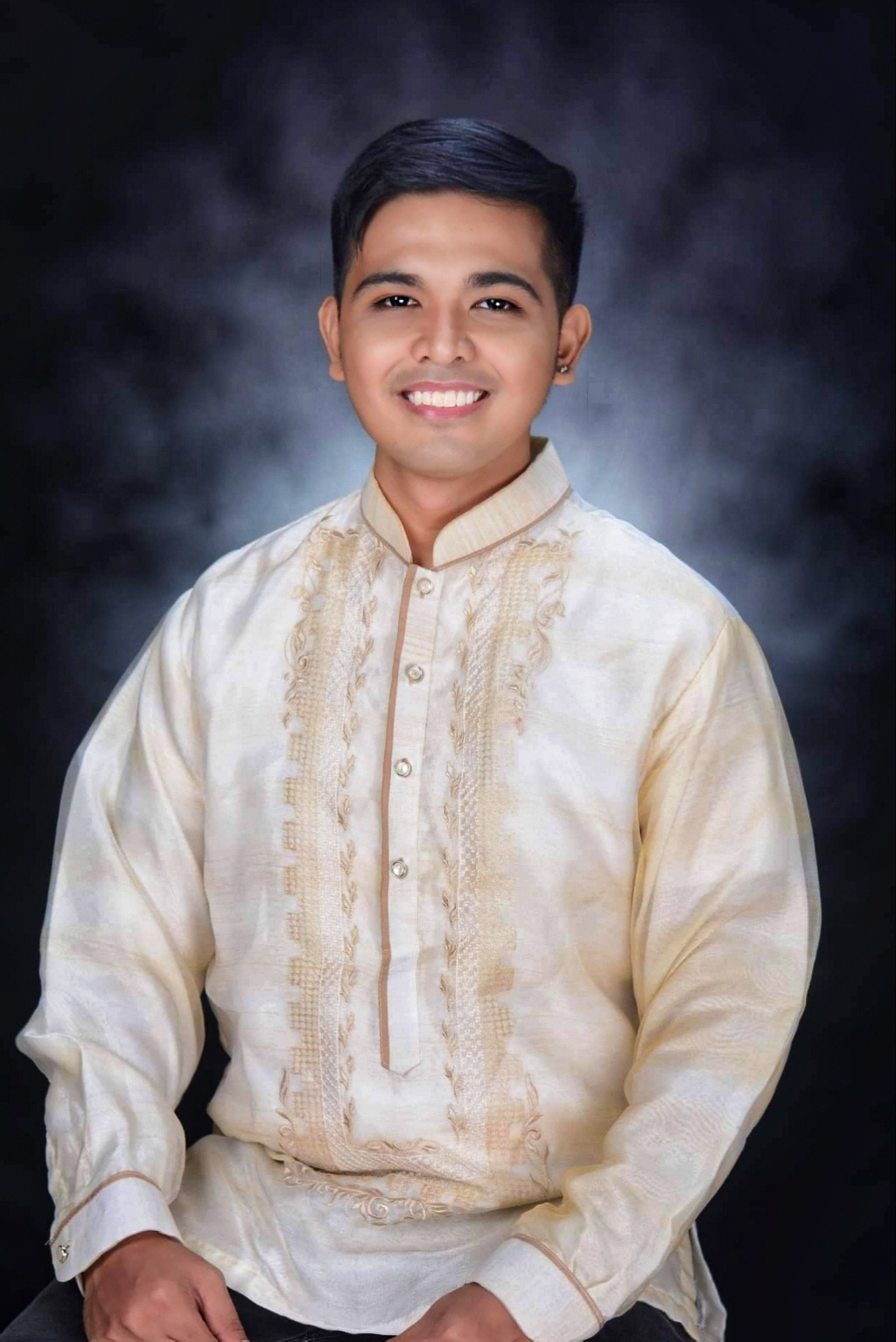
Asst. Prof. John Lorence A. Villamin, National University, Philippines
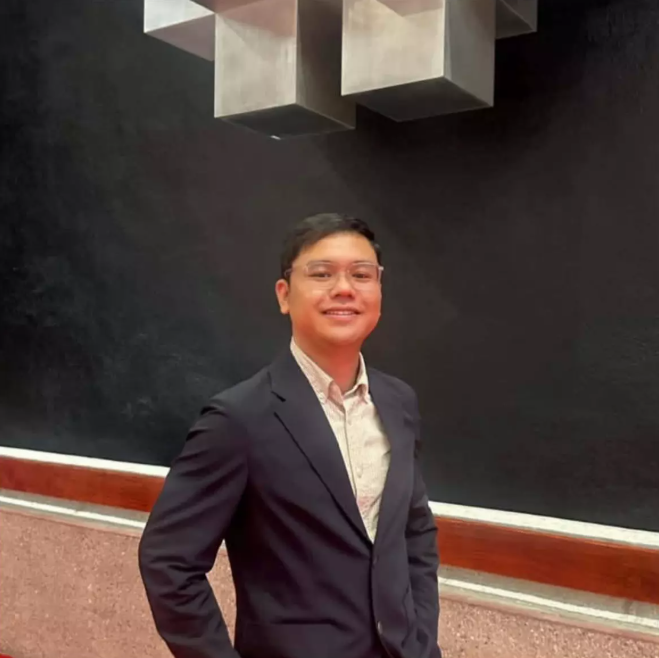
Assoc. Prof. Ronilo P. Antonio, Bulacan State University, Philippines
The topics of interest include, but are not limited to:
• AI tutors, chatbots, and intelligent tutoring systems for science and mathematics
• AI-generated feedback on scientific reasoning, argumentation, and problem-solving
• Mobile-first, offline, and low-bandwidth AI tools for STEM classrooms
• Automatic scoring and assessment generation for multilingual and culturally diverse learners
• Adaptive learning and personalization in hybrid and disrupted learning environments
• Responsible, human-centered AI use: cognitive offloading, over-reliance, and academic integrity
• Teacher preparation and professional development for AI integration in STEM
• Learning analytics, sentiment analysis, and explainable AI for STEM education research
• Case studies and frameworks from the Global South and underserved communities
Submission Methods:
Submit your Full Paper (no less than 5 pages with two columns) or your paper abstract-without publication (200-400 words) via Electronic Submission System, then choose Special Session 2 (AI-Enhanced STEM Education in Resource-Constrained and Hybrid Settings)
Introduction of Session Organizers:
|
Asst. Prof. John Lorence A. Villamin National University, Philippines John Lorence A. Villamin is an Assistant Professor IV at the School of Arts and Sciences, National University – Mall of Asia, Philippines, and a course professor at San Beda University, where he teaches College Physics and Science, Technology and Society. A science educator first, he holds an MS in Science Education from Ateneo de Manila University as a DOST scholar, and he is a Licensed Professional Teacher and an Associate Member of the National Research Council of the Philippines. His research focuses on AI in education, mobile and blended learning, AI-supported feedback on scientific argumentation, and faculty adoption of emerging technologies, with particular attention to hybrid and low-resource classrooms in Southeast Asia. He presented at IC4e 2026, has a paper accepted at IEEE TALE 2026, serves on the IC4e 2027 Technical Committee, and trains educators in practical, responsible AI use. |
|
Assoc. Prof. Ronilo P. Antonio Bulacan State University, Philippines Ronilo P. Antonio is an Associate Professor at the College of Professional Teacher Education and Head of the Research Program at the Research and Innovation Office, Bulacan State University, where he teaches Biology and Professional Education courses. He holds a Doctor of Philosophy in Science Education (Biology) from De La Salle University, where he also earned his master's degree in Biology Education. He is a regular member of the National Research Council of the Philippines, Division 1: Governmental, Educational, and International Policies. |